 Bahrain, Saudi Arabia



 Bahrain
 Saudi Arabia
Securing Logistics & Supply Chain Operations
Cyberattacks Targeting Logistics & Supply Chain
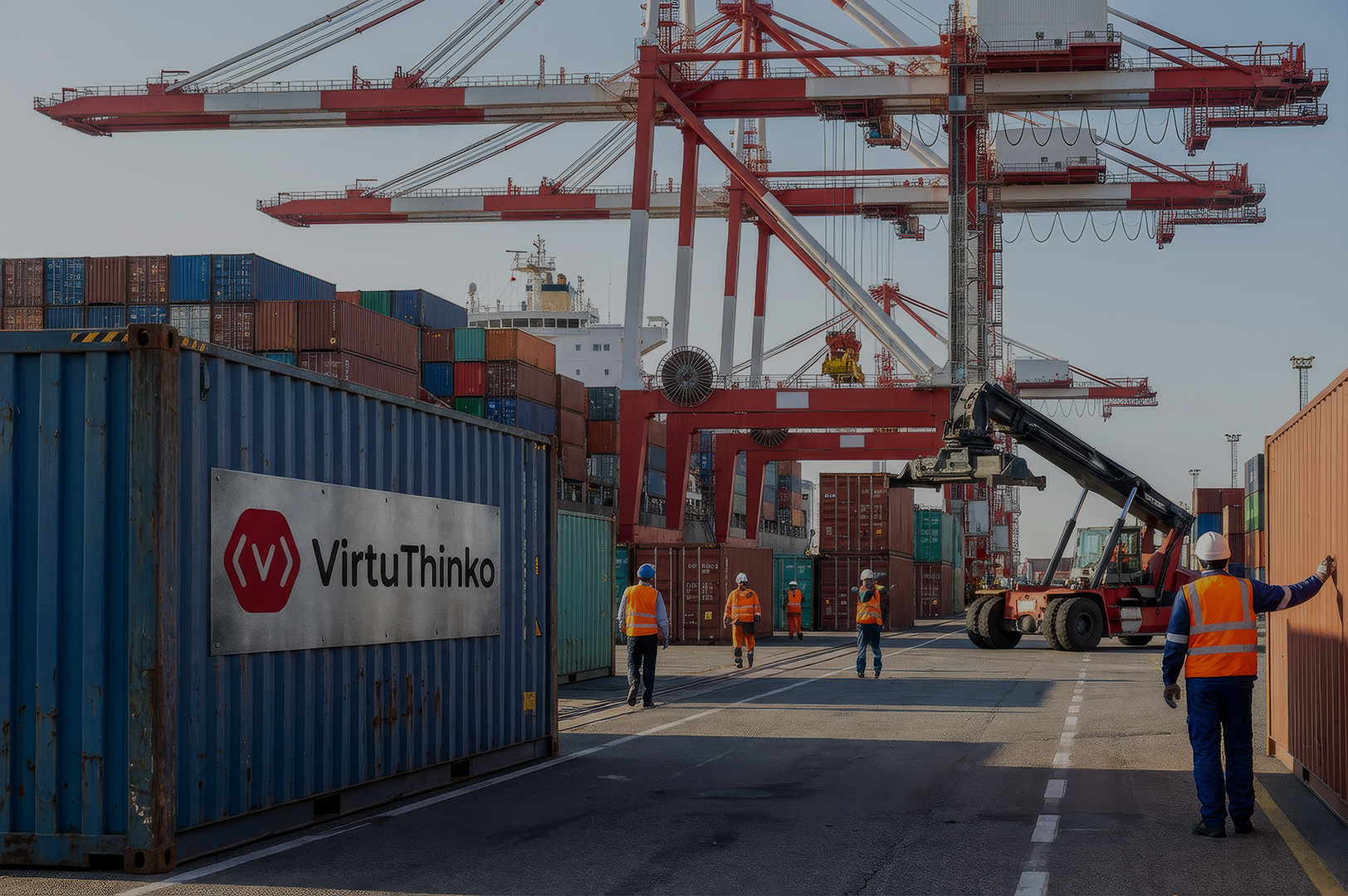
Logistics and supply-chain companies are prime targets for cybercriminals because they operate globally connected networks of vendors, transportation, warehousing, and delivery services. Every link from suppliers to shipping partners to freight carriers may share data, credentials, or digital systems. Attackers exploit weak points in third-party vendors or software dependencies to infiltrate the broader supply chain, disrupting operations, delaying deliveries, or stealing sensitive shipment, customer, or vendor information. With the recent surge in supply chain cyberattacks, companies must strengthen their defenses beyond the core business to include every third-party and partner in their network.
State of Logistics & Supply Chain
$3.98 Million
Average cost of a data breach in transportation (IBM, 2025)
60%
Supply-chain firms using cyber risk to decide on third-party deals by 2025 (Gartner)
70%+
Firms hit by at least one material third-party cyber incident in the past year (2025)
Source: SecurityScorecard 2025 Supply Chain Cybersecurity Trends Survey (via SecurityBrief)
How VirtuThinko Helps Logistics & Supply Chain

Supply-Chain & Vendor Risk Management
Evaluate and monitor vendor and third-party risk by assessing security posture of all partners, enforcing compliance policies, and ensuring that no weak link jeopardizes the broader supply chain.

Secure Infrastructure & Network for Distribution Systems
Design and manage robust, segmented network and infrastructure across warehouses, shipping hubs, transport fleets, and supply-chain partners to prevent lateral movement and secure data flow across distributed operations.

Data Protection & Secure Information Flow
Safeguard shipment data, customer information, contracts, and communications with encryption, secure access controls, and data-loss prevention to ensure integrity and confidentiality across multiple stakeholders.

Cyber-Resilience & Incident Response for Logistics Operations
Implement continuous monitoring, anomaly detection, and rapid response plans to minimize disruption from cyberattacks particularly important when attacks could halt deliveries, shipments or warehouse operations.
Protecting Supply Chains and Business Continuity
In logistics and distribution, a breach in any part of the network a small vendor, a partner, or a software provider can snowball into major disruptions, financial losses, or reputational damage. By implementing comprehensive security and risk-management strategies that cover internal systems as well as third-party partners, companies can ensure supply-chain integrity, protect sensitive data, and maintain seamless operations across global logistics networks.
FAQ
Logistics & Supply Chain: frequently asked questions
Can’t find what you’re looking for? Contact our team.
Logistics and supply-chain companies are prime targets because they operate globally connected networks of vendors, transportation, warehousing and delivery services. Every link may share data, credentials or digital systems, and attackers exploit weak points in third-party vendors or software dependencies to infiltrate the broader supply chain, disrupting operations, delaying deliveries or stealing shipment, customer or vendor information.
Because a breach in any part of the network, whether a small vendor, a partner or a software provider, can snowball into major disruptions, financial losses or reputational damage. Companies must strengthen their defenses beyond the core business to include every third party and partner. VirtuThinko assesses the security posture of all partners and enforces compliance policies so that no weak link jeopardizes the broader supply chain.
VirtuThinko works in four areas: supply-chain and vendor risk management; secure, segmented infrastructure and networks across warehouses, shipping hubs, transport fleets and partners; data protection for shipment data, customer information, contracts and communications using encryption, secure access controls and data-loss prevention; and cyber-resilience through continuous monitoring, anomaly detection and rapid response plans that minimize disruption to deliveries and warehouse operations.